Prostate health and the food pattern around it
Nutrition is one part of a wider health picture. This guide explains what readers can explore without turning broad population research into a personal promise.
Nutrition is one part of a wider health picture. This guide explains what readers can explore without turning broad population research into a personal promise.
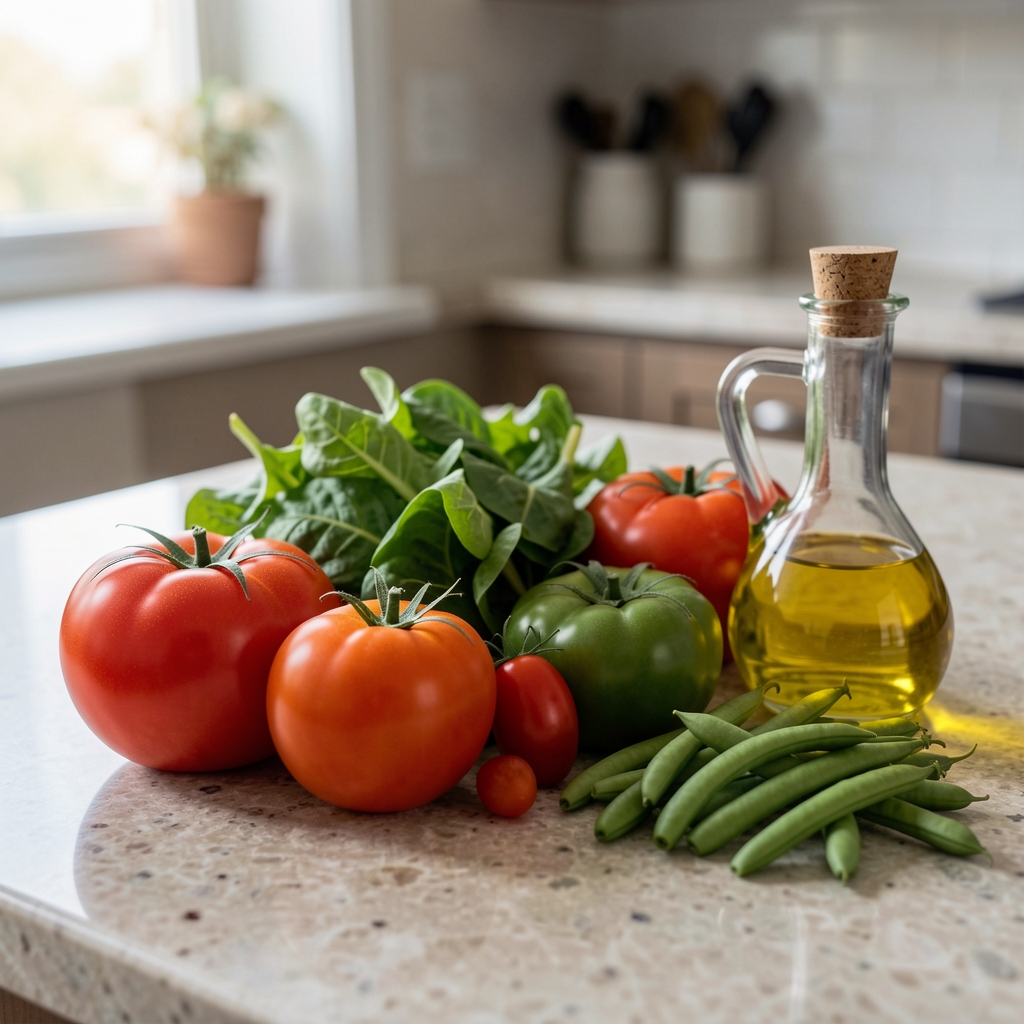
Studies often examine diets rather than isolated ingredients. A pattern rich in vegetables, pulses, whole grains and unsaturated fats may be discussed alongside other lifestyle factors, but it cannot be used to predict one person’s outcome.
Urinary symptoms, pain, blood in urine or persistent changes should be discussed with a clinician rather than managed through food experiments.
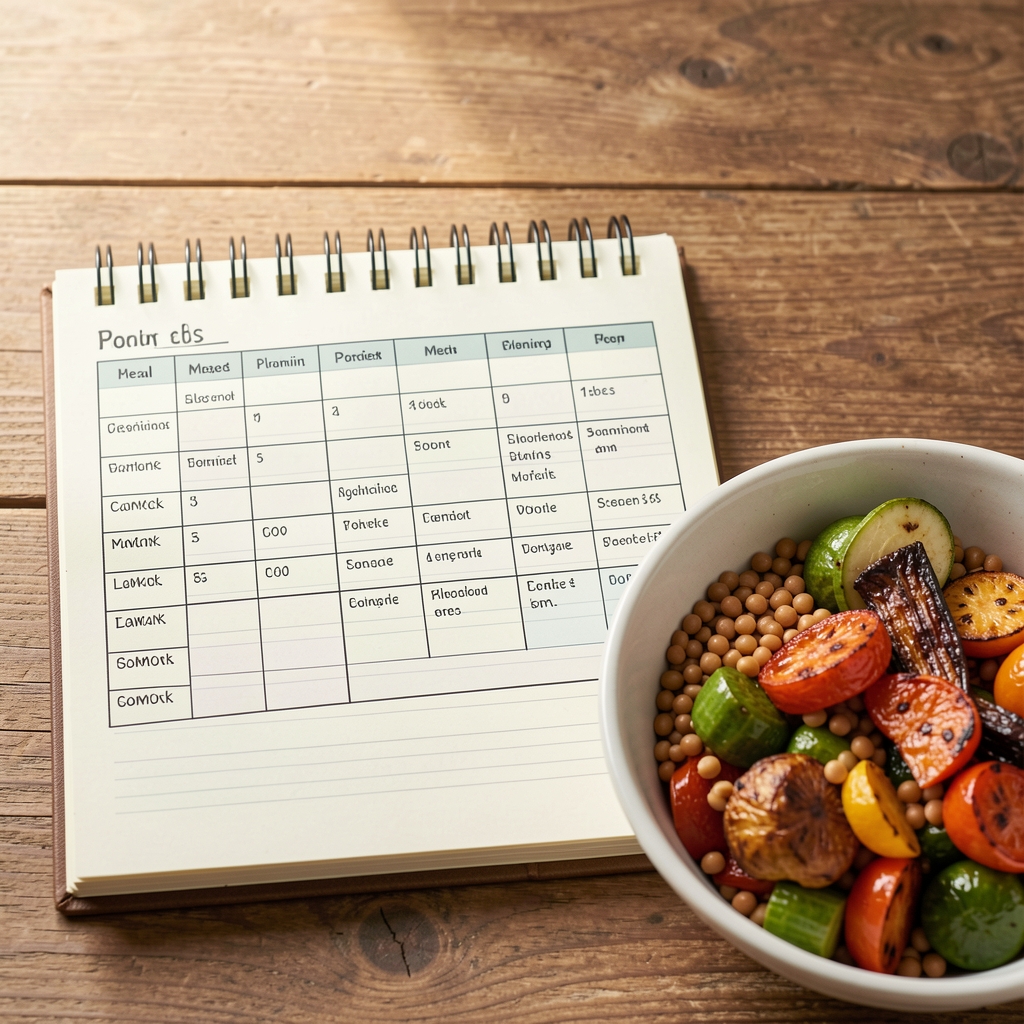
| Area | Useful general direction | What it cannot establish |
|---|---|---|
| Fibre | Include varied plant foods where tolerated. | A guaranteed prostate outcome. |
| Hydration | Discuss fluid habits in relation to symptoms. | That more fluid is always appropriate. |
| Supplements | Check interactions and need with a professional. | That “natural” means risk-free. |
Food choices can support general health while assessment of symptoms remains a clinical task.
Veridia provides education, not diagnosis or treatment. Readers in the UK can speak with a GP, pharmacist or registered dietitian about symptoms and changes to medication.